The short answer
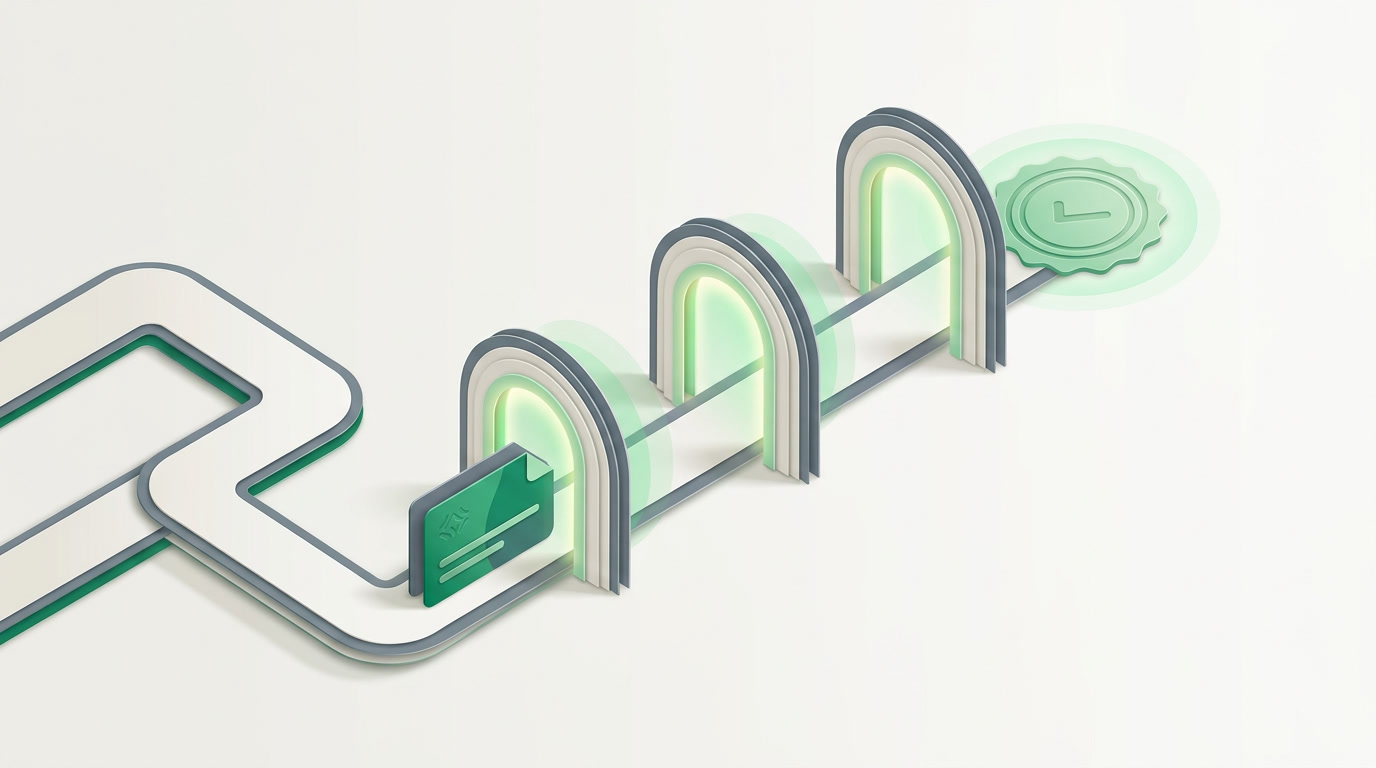
In ERPnBox you create a task directly on any record — a lead, a deal, a contact. Give it a title, assign an owner, set a due date, and a reminder fires before it lands. Mark it done and it stays logged on that record's timeline, so context never gets lost between the deal and a separate to-do list.
Every deal you have ever lost to silence died the same way: someone meant to follow up, and the note to follow up lived somewhere the deal could not see it. A task in the CRM fixes that by refusing to leave the record. It is a promise — call this person, send that quote, chase this signature — pinned to the exact thing it is about.
In ERPnBox, tasks are one of three activity types you log against records, alongside calls and meetings. This article covers the task: what it is, why an on-the-record task beats a separate to-do app, who it helps, and the three-minute setup.
What is a task in the CRM?
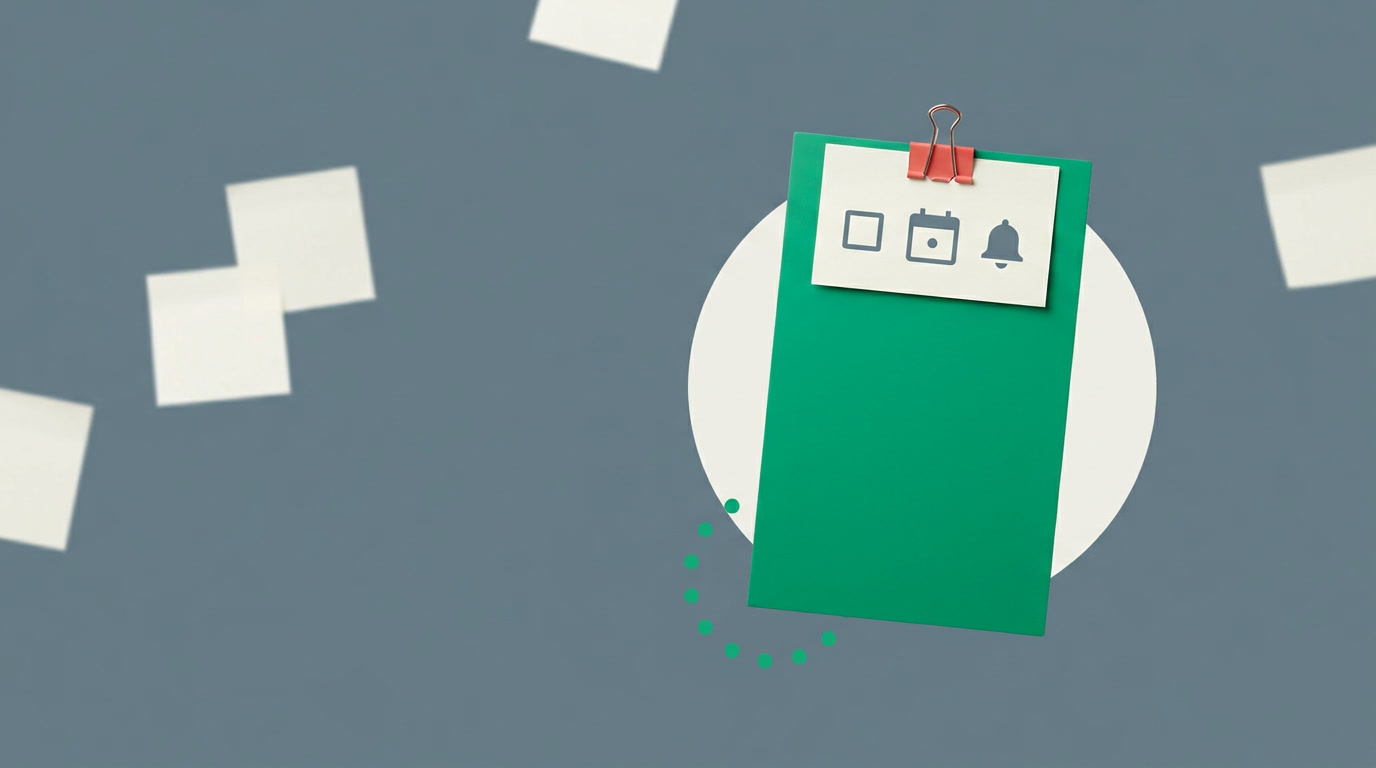
A task is a single piece of work with an owner and a due date, logged against a record. You give it a title ("send revised proposal"), pick who owns it, set when it is due, and — if you want — turn on a reminder. It sits on the record until someone marks it done, and then it stays there as history.
The distinction that matters: a task is not a note. A note records what happened; a task commits someone to what happens next. On the record, a task carries three answers at once — what, who, and by when — so nothing about the follow-up is left to memory. That is the whole trick, and it is why tasks earn their place next to the deal instead of in a parallel list.
Why do tasks on the record beat a separate to-do app?
Because a separate to-do app throws away the one thing that makes a follow-up worth doing: context. "Call Sarah" in a to-do app is a riddle by Thursday. "Call Sarah — chase the signed MSA" on the deal, next to the emails and the quote and the last call notes, is an instruction you can act on cold. The record is the context; a task that lives anywhere else has to rebuild it every time.
There is a quieter cost too. A separate app is a second place to keep in sync, and the two never stay honest with each other for long. Keeping tasks on the record means one source of truth — the same place your team already opens to work the deal.
| Task on the record (ERPnBox) | Standalone to-do app | |
|---|---|---|
| Context | Sits next to the emails, calls, and notes for that deal | A bare line of text; context lives elsewhere |
| Ownership | Assigned to a specific team member | Usually personal, hard to hand off |
| History | Completed tasks stay logged on the record | Done items disappear from view |
| One source of truth | Same place the deal is worked | A second system to keep in sync |
How do you add a task to a record?
Open the record, find the Activities area, and add a task in a few clicks — no code, you just fill in the fields. The quick-add flow keeps it to the essentials so logging a follow-up never breaks your stride mid-call. Here is the full path:
- Open the record — a lead, contact, deal, or any module you work in — and go to its Activities.
- Choose Task and give it a plain-language title: "send revised quote," "confirm site visit."
- Assign an owner — yourself or a teammate — so there is one name responsible.
- Set a due date (and time, if it matters).
- Turn on a reminder so a notification lands before the due moment, not after.
- Save. The task now lives on the record. When it is done, mark it done — it stays as history.
Open it as a tab, not a detour
When you open a record to add or work a task, it opens as a workspace subtab in the tab strip — so you can jump between three deals and their follow-ups without losing your place. Nothing you open replaces what you were already looking at.
Which teams get the most out of tasks?
Anyone whose job is a chain of follow-ups. Sales reps live in tasks — every deal is a queue of next steps with dates. Account managers use them to keep renewals and check-ins from slipping. Support and onboarding teams run playbooks as tasks so nothing in a handover gets dropped.
For a manager, the payoff is visibility. Because tasks carry an owner and a due date, you can filter them like any other record — by owner, by date, by overdue — using the filter panel and saved views. A saved view of "my tasks due this week" or "overdue across the team" turns a scattered pile into a plan.
What happens when a task is due — and when it is done?
If you set a reminder, a notification reaches the task's owner before the due moment. That is the point of a reminder — it moves the remembering off your head and onto the system. You can read exactly how reminders fire in the reminders guide.
When the work is finished, you mark the task done. It does not vanish — it stays logged on the record as part of the timeline, so the next person to open that deal sees a clean trail of what was promised and what was delivered. That trail is worth as much as the task itself.
A follow-up you forgot is a customer someone else remembered. The task on the record exists so that never has to be you.
Stop losing deals to "I meant to follow up"
Put every follow-up on the record it belongs to, assign it, and let the reminder do the remembering. Start free.
Start freeFrequently asked questions
Can I create a task on any type of record?
Yes. Tasks are logged against records across your modules — leads, contacts, deals, and the others you work in. You open the record, go to its Activities, and **add a task** there, so the follow-up is always anchored to the thing it is about.
What is the difference between a task, a call, and a meeting?
They are the three activity types you log on a record. A **task** is a piece of work with a due date. A [call](/features/crm-calls) records a phone conversation. A [meeting](/features/crm-meetings) is a scheduled event. Use a task when the answer to "what next?" is an action someone owns.
Will I actually be reminded, or do I have to check?
If you set a reminder on the task, a **notification** reaches the owner before the due moment — you do not have to keep checking. Reminders are easy to switch on when you create the task. See [how reminders work](/features/crm-reminders) for the details.
Can I assign a task to someone else on my team?
Yes. Every task has an **owner**, and you can assign it to any teammate rather than only yourself. That is what makes a task hand-off-able — a manager can spread follow-ups across the team, and each one has a single name responsible for it.
What happens to a task after I mark it done?
It stays on the record as history. A completed task is not deleted from view — it remains part of the record's timeline, so anyone who opens the deal later can see what was promised and when it was delivered. That trail is part of the value.
Can I see all my open tasks in one place?
Yes. Because tasks carry an owner and a due date, you can filter and save a view — for example "my tasks due this week" or "overdue across the team" — using the [filter panel and saved views](/features/crm-global-search). It turns scattered follow-ups into a working plan.